
ESG
Environmental | Social | Governance
Responsible by Principle. Transparent by Design.
Ethical and sustainable business conduct is embedded in Sabik Offshore’s way of working. ESG provides the structured framework that brings clarity and transparency to these practices, translating our values into clear policies, responsibilities, and measurable actions. This enables consistent decision-making, strengthens stakeholder trust, and supports long-term resilience and performance.
As a company operating in the offshore wind sector, we recognize our responsibility for the environment, for the safety of people, and for transparent, reliable cooperation with our partners. By integrating ESG into our business strategy, we strengthen resilience, foster innovation, and create long-term value.
Environmental
Climate Strategy & Carbon Management
Responsible Use of Resources
Circularity, Waste & Water Management
Biodiversity & Nature Protection
Responsible Supply Chain
Social
Employee Well-Being & Occupational Safety
Diversity, Inclusion & Equal Opportunity
Education & Talent Development
Social Responsibility & Community Engagement
Human Rights Across the Value Chain
Governance
Ethnical Conduct & Regulatory Compliance
Data Protection & IT Security
Transparent reporting & Accountability
Risk Management & internal Controls
Stakeholder Engagement & Dialogue
Environmental
Environmental responsibility is an integral part of our ESG approach. We work to prevent pollution, use resources efficiently, and drive sustainable innovation across our operations. Key focus areas include responsible sourcing of conflict minerals, a defined climate strategy for reducing CO₂ emissions, energy and resource efficiency, as well as systematic waste and water management.
Our commitment is supported by an ISO 14001 certified environmental management system, which ensures a consistent, riskbased approach to environmental protection and continuous improvement. Beyond our own operations, we aim biodiversity and promote environmental responsibility throughout our supply chain.
Download
Social
At Sabik Offshore, people are at the center of our social responsibility. We promote fair working conditions, employee wellbeing, and a respectful, inclusive working culture. This includes strong occupational health and safety standards, diversity and equal opportunity, and targeted training and development measures.
Our commitment to employee safety is supported by a certified occupational health and safety management system in accordance with ISO 45001, ensuring a consistent, risk-based and preventive approach to workplace safety.
We also take responsibility beyond our organization. Through social commitment and the protection of human rights in our supply chain, we work to uphold ethical standards and responsible practices throughout our business relationships.
Governance
Good governance is essential to trust, transparency, and sustainable success at Sabik Offshore. We operate in line with clear ethical principles, compliance requirements, and robust governance structures. These include effective risk management, strong data protection and IT security, transparent reporting, and open stakeholder dialogue.
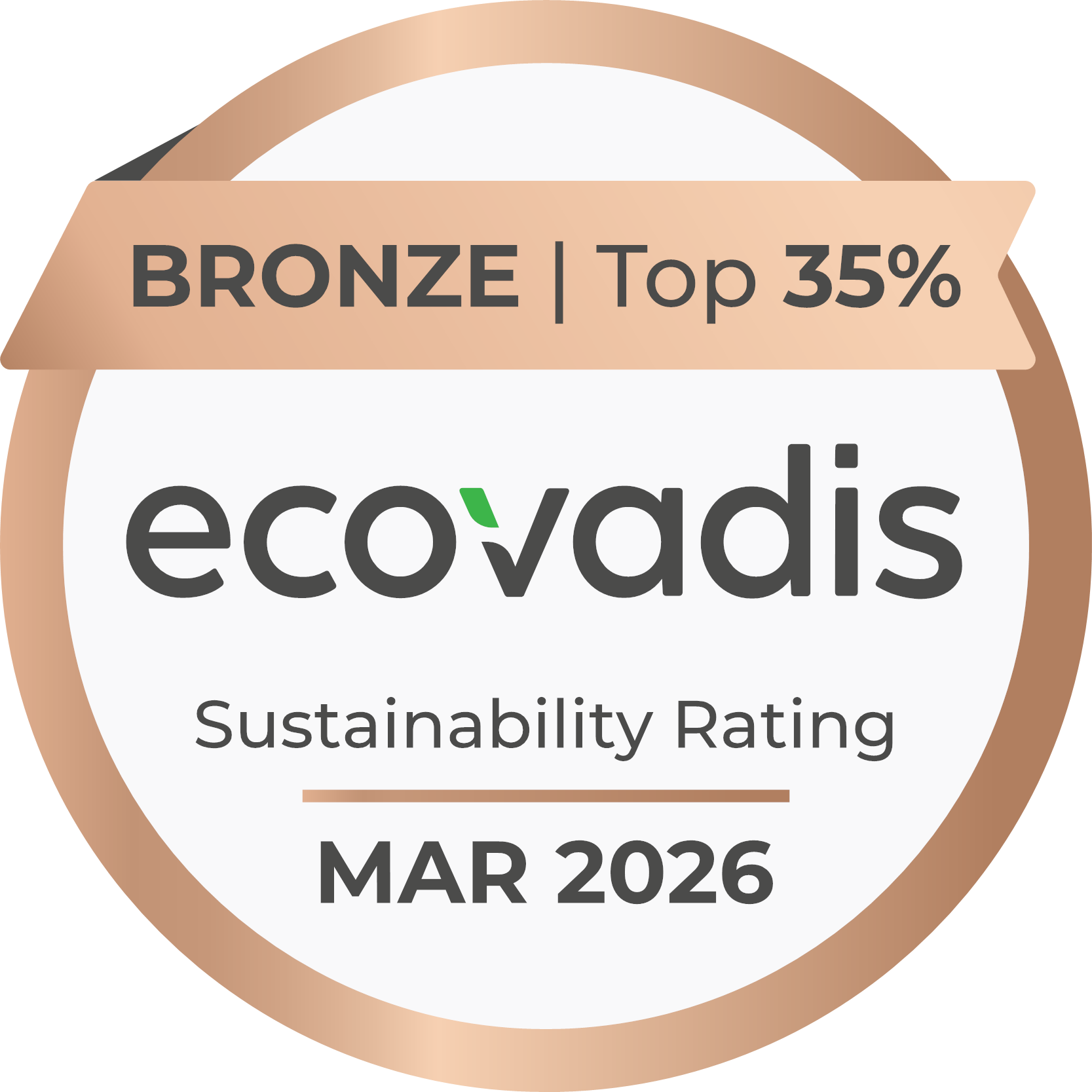
Our governance approach is supported by independent third party assessments. Sabik Offshore participates in recognised ESG evaluations, including the EcoVadis sustainability rating, where we currently hold a Bronze status.
Although not currently subject to mandatory reporting under CSRD, ESRS, or the EU Taxonomy, Sabik Offshore has voluntarily aligned its reporting with these frameworks. We also consider the German Sustainability Code (DNK) and the VSM standard to promote transparency, comparability, and clarity.
Code of Conduct
The Code of Conduct sets binding standards for ethical behavior, anticorruption, and respect for human rights. It applies to all employees and extends to suppliers and business partners, ensuring responsible conduct across the entire value chain.
Download

Whistleblower System
Our whistleblower system enables the confidential and anonymous reporting of concerns. Reports are reviewed carefully and addressed through defined follow-up measures. This strengthens accountability and supports continuous improvement.